

Commercial hypochlorite generators
A company specialising in new agriculture, environmental protection and disinfestation related solutions.
Keywords:
Affiliated Classification:
Disinfection Equipment

Counseling:
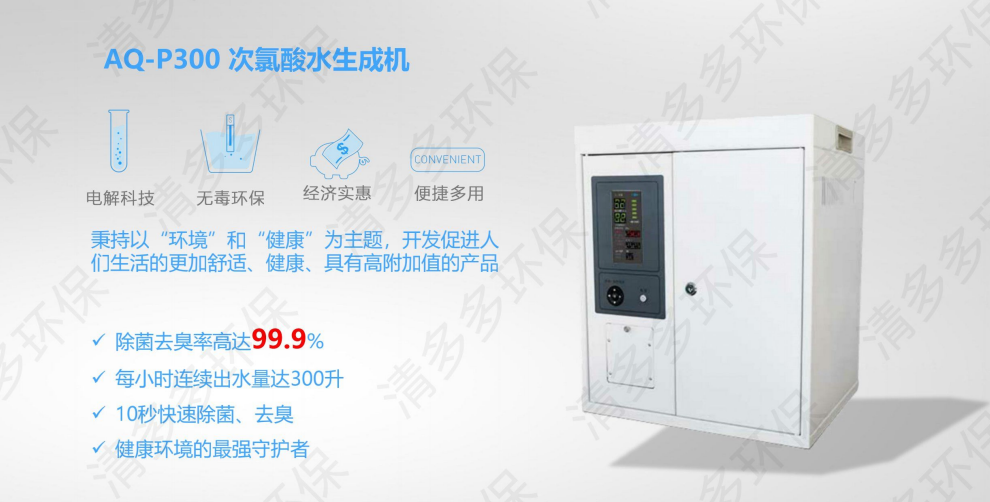
Commercial hypochlorite generators
Product Details
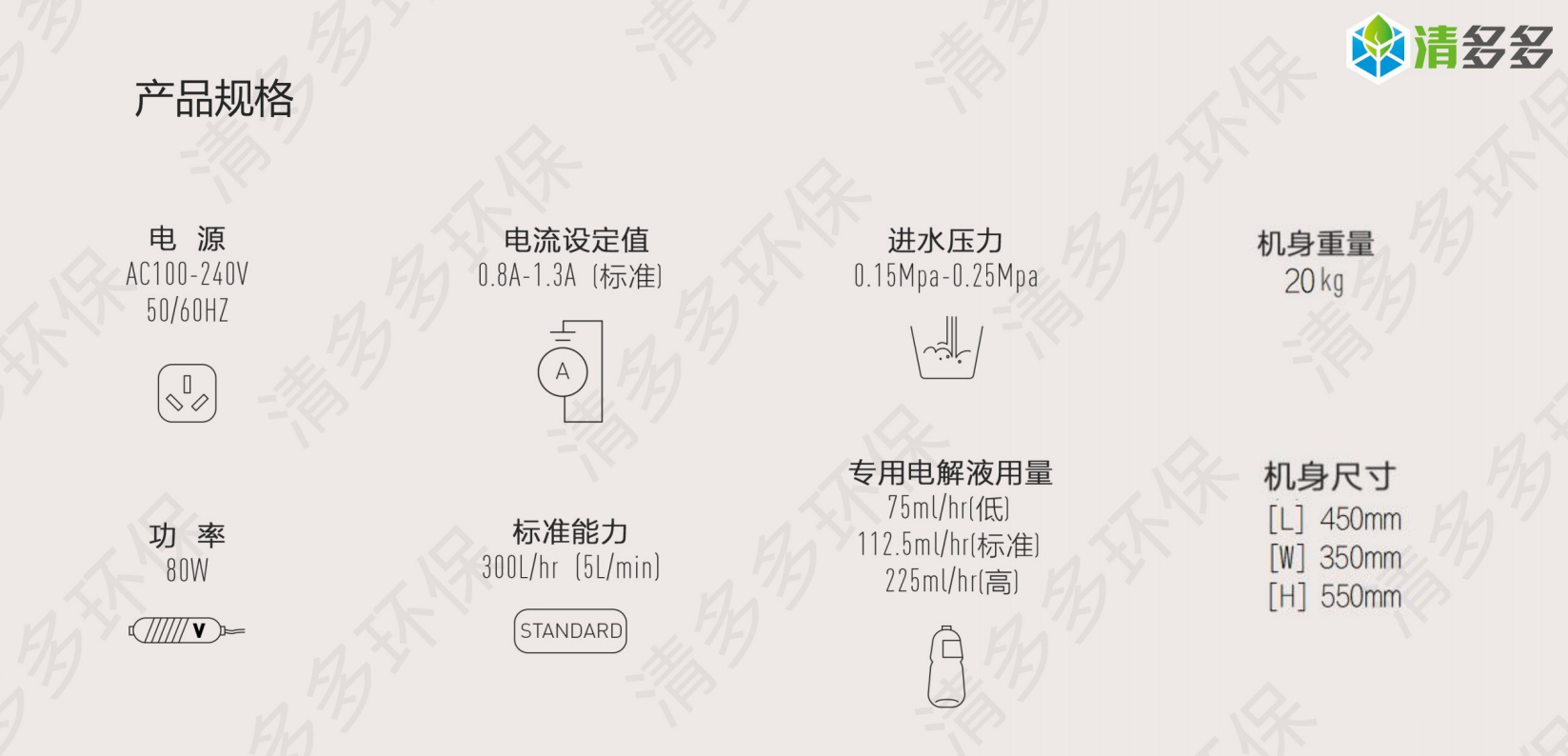
Equipment parameters
| Sports event | Parametric |
| Hypochlorite generation | 5L/min |
| pH range of generated hypochlorite water | 3.5~7(*备注) |
| Effective concentration of generated hypochlorite water (mg/L) | 10~90mg/L |
| Power requirements | AC220V 50/60Hz |
| Power (W) | 100W |
| Current setting value (A) | 0.1~2.2A |
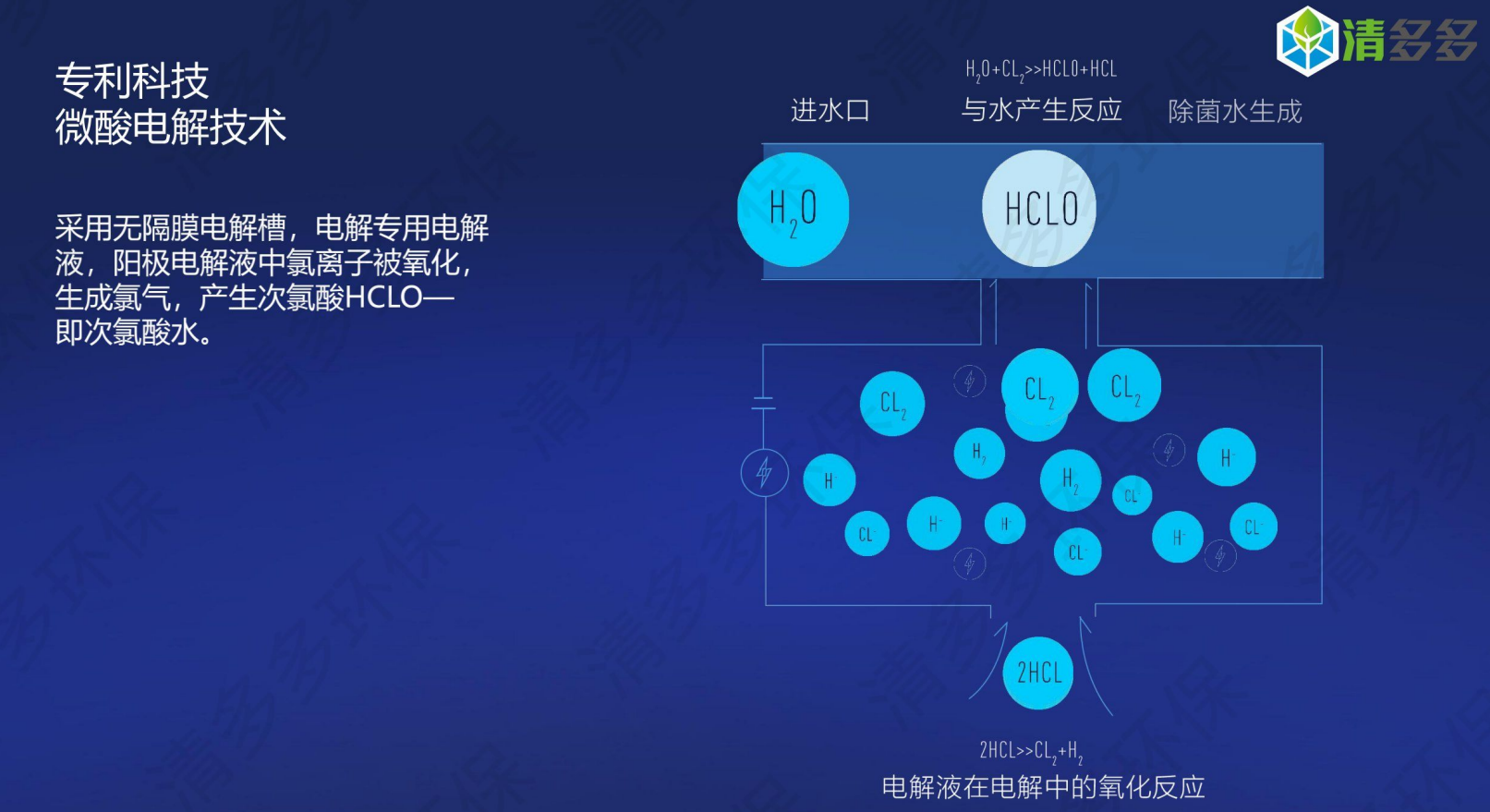
| Electrolyte concentration | 6% |
| Electrolyte dosage | 120ml小时 |
| Inlet pressure | 0.15MPa~0.25MPa |
| Main unit size | 350*440*520mm |
| Body weight | 20kg |
| Electrolytic sheet material | Imported platinum plated titanium sheet |
*:The pH range varies according to the water quality of each place, the local water source is surface water may produce hypochlorite water is acidic (pH3~4) but the disinfection effect will not be reduced.
Usage
| Use Concentration | Occasions for use | Caveat |
| 3ppm | Air disinfection, deodorisation | Exceeding 3ppm can cause inhalation injury to humans. |
| 20ppm | Pet Bathing | Too much can cause hair colour to fall out |
| 20ppm | Sterilisation of clothing | Soaking and sterilising clothes after washing, too strong can cause colour loss |
| 30ppm | Gargling and deodorising | Can be swallowed after gargling without harming the body |
| 30ppm | Air disinfection, deodorisation | Use when no one is around |
| 40ppm | hand washing and disinfection | Wash your hands with soap beforehand and then use hypochlorite water again for better rinsing effect |
| 40ppm | Wash fruits and vegetables | In the form of an immersion for better results |
| 40ppm | Sterilisation of dishes and bottles | Wash with detergent first and then rinse with hypochlorite water to dry. |
| 50-60ppm | Rinse meat, seafood | Ingredients washing |
| 80ppm | Soaked seafood | Can be soaked for 3 minutes and then stored |
| 80ppm | Environmental cleanliness | If there is any oil stain on the surface, please remove it first and then wash it with hypochlorite water for better effect. |
Electrolyte generation
| stock solution | Occasions for use | caveat |
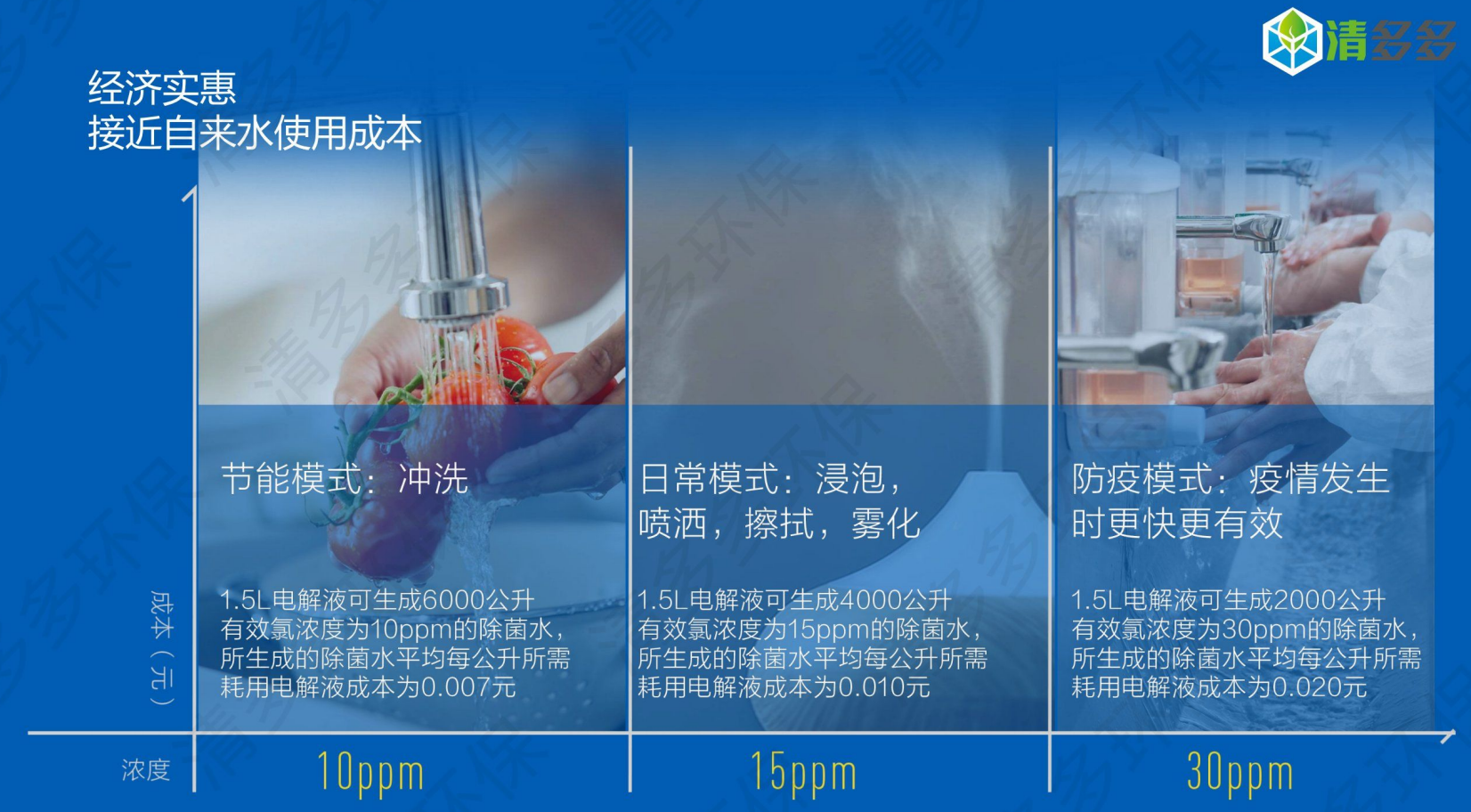
| 10L of electrolyte | 10ppm | Around 53 tonnes |
| 20ppm | Around 25 tonnes | |
| 30ppm | Around 16 tonnes | |
| 40ppm | Around 12 tonnes | |
| 50ppm | Around 10 tonnes | |
| 80ppm | Around 6 tonnes |
Acid oxidation potential water development history
● It was first used in medicine in 1980, when it was found to have a significant bactericidal effect on MRSA (methicillin-resistant Staphylococcus aureus, known as a "superbug") in Japan.
● Recognised by the WHO World Health Organisation in 1997.
● In 1999, the United States FDA and EPA recognised the disinfecting function of acidic potentiostatic water.
● In 2000, Japan issued the "Standard Specifications for Strong Acidic Potentiostatic Water for Medical Appliances Recognition Generating Devices" (Medical Section), which provides detailed regulations on the principle of generating strong acidic potentiostatic water, physical and chemical indexes, microbicidal properties, toxicological safety indexes, and instructions for use and advertising.
● The principles of generation of potentiostatic water, physicochemical indicators, microbicidal properties, toxicological safety indicators, instructions for use, and advertising are regulated in detail.
● In 2002, the Ministry of Health and Welfare of Japan approved acidic potentiometric water as a food sterilising agent, and issued the "Handbook on the Use of Strongly Acidic Electrolytic Water for Food Additives" as a standard for the disinfection of the food processing industry, catering, fruits and vegetables, and the "Handbook on the Use of Strongly Acidic Electrolytic Water for Food Additives" as a standard.
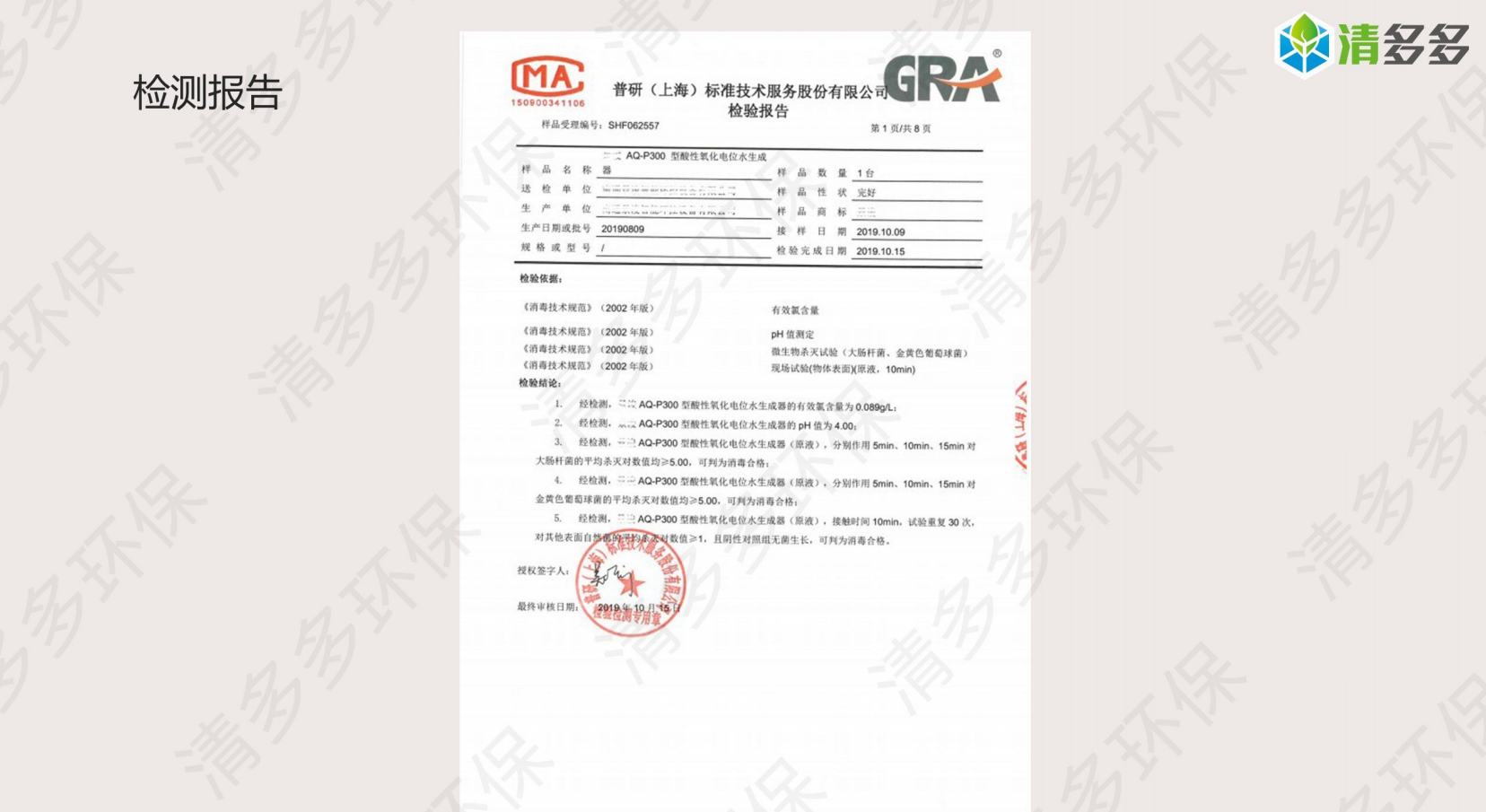
● In 2002, the Ministry of Health of China included the application of acidic oxidation potential water in the "Disinfection Technical Specification", which is used for the disinfection of food and drink utensils, fruits and vegetables and the disinfection of the surface of articles, as well as the disinfection of endoscopes (e.g., gastroscopes) rinsed in hospitals.
● In 2003, the Ministry of Health has included the acidic oxidation potential water generator in the "10th Five-Year Plan" of China's health standards. And it is used for the prevention and control of SARS.
● In 2006, the standard has passed the evaluation of the Ministry of Health Standards Committee.
● In 2007, APIC endoscopy cleaning and disinfection training manual in the United States has used acidic oxidation potential water for disinfection. The World Endoscopy Association has also included Acidic Oxidation Potential Water in the disinfection products for endoscopy cleaning and disinfection.
● In 2008, China expanded the application research of Acidic Oxidation Potential Water System to Fuyang Hand, Foot and Mouth Disease Relief, Olympic Health Epidemiological Prevention and Food Safety Guarantee, and Sichuan Earthquake Victims Epidemiological Prevention and Aid Project.
● In 2009, it was used as a food safety guarantee for the National Day parade village.
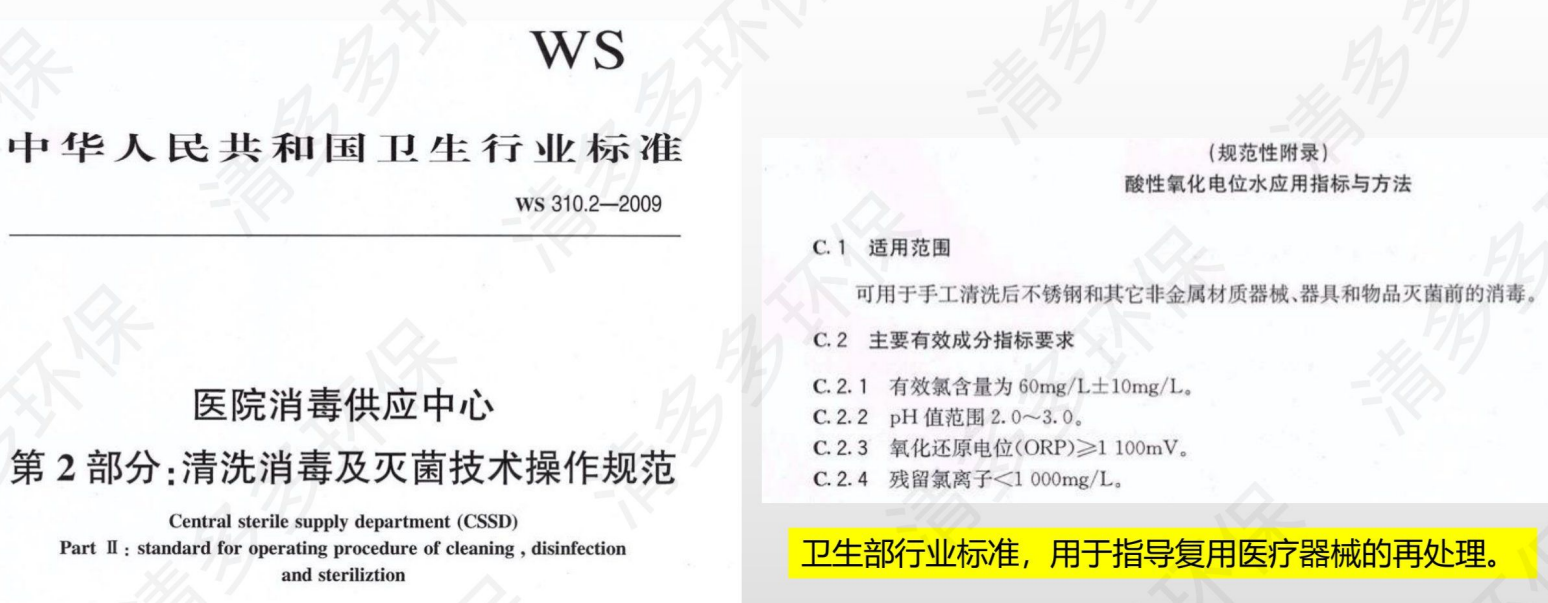
● In December 2009, the Ministry of Health issued WS 310.2-2009 "Hospital Disinfection and Supply Centre Part Pieces of Cleaning, Disinfecting and Sterilisation Technical Code of Practice", which was used in the 2010 World Expo as a disinfection of venues and food safety.
● In 2015, it was used as the designated product for disinfection and sterilisation of the military parade for the 70th anniversary of the victory of the Chinese People's War of Resistance Against Japanese Aggression and the World Anti-fascist War, and was used as the disinfectant material for the "Tianjin Big Bombing" event in 2015.
WS 310.2-2009 Hospital Disinfection and Supply Centres
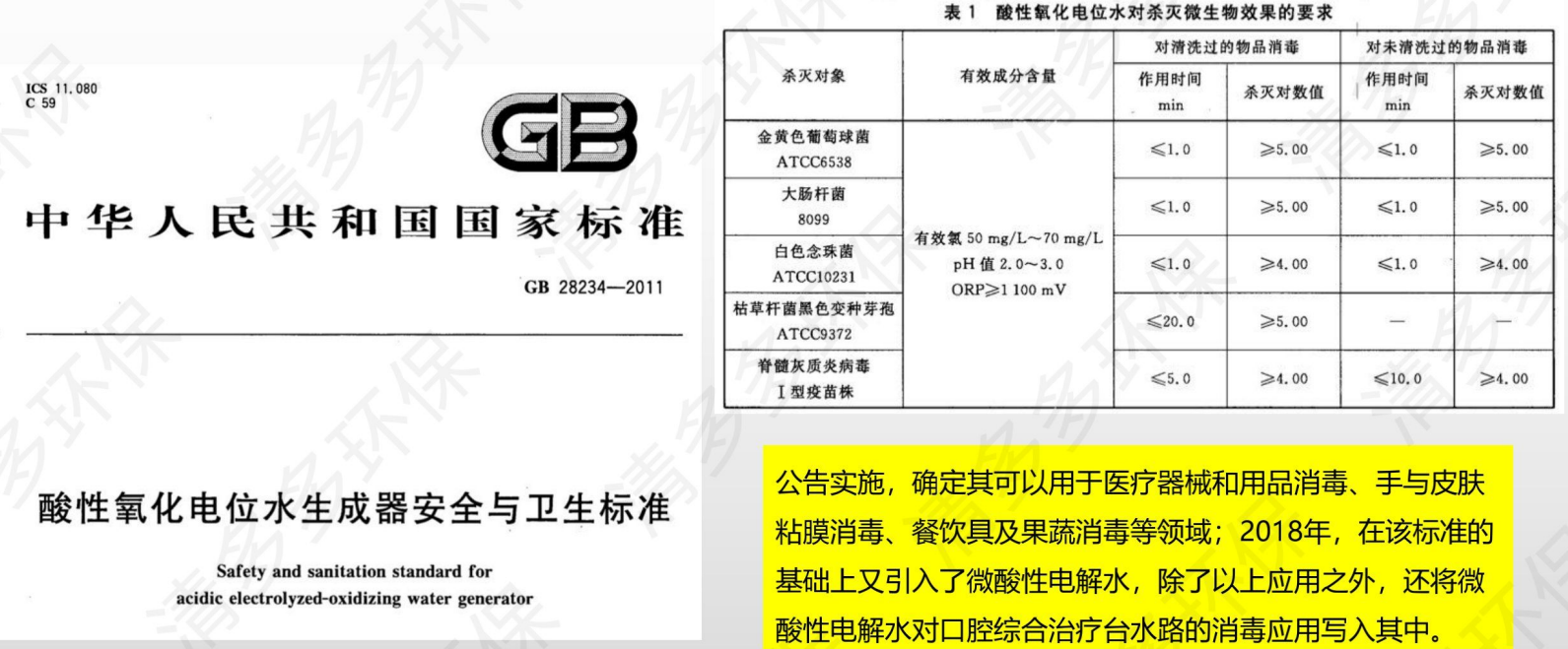
GB28234-2011 Safety and Health Standard for Acid Oxidation Potential Water Generator
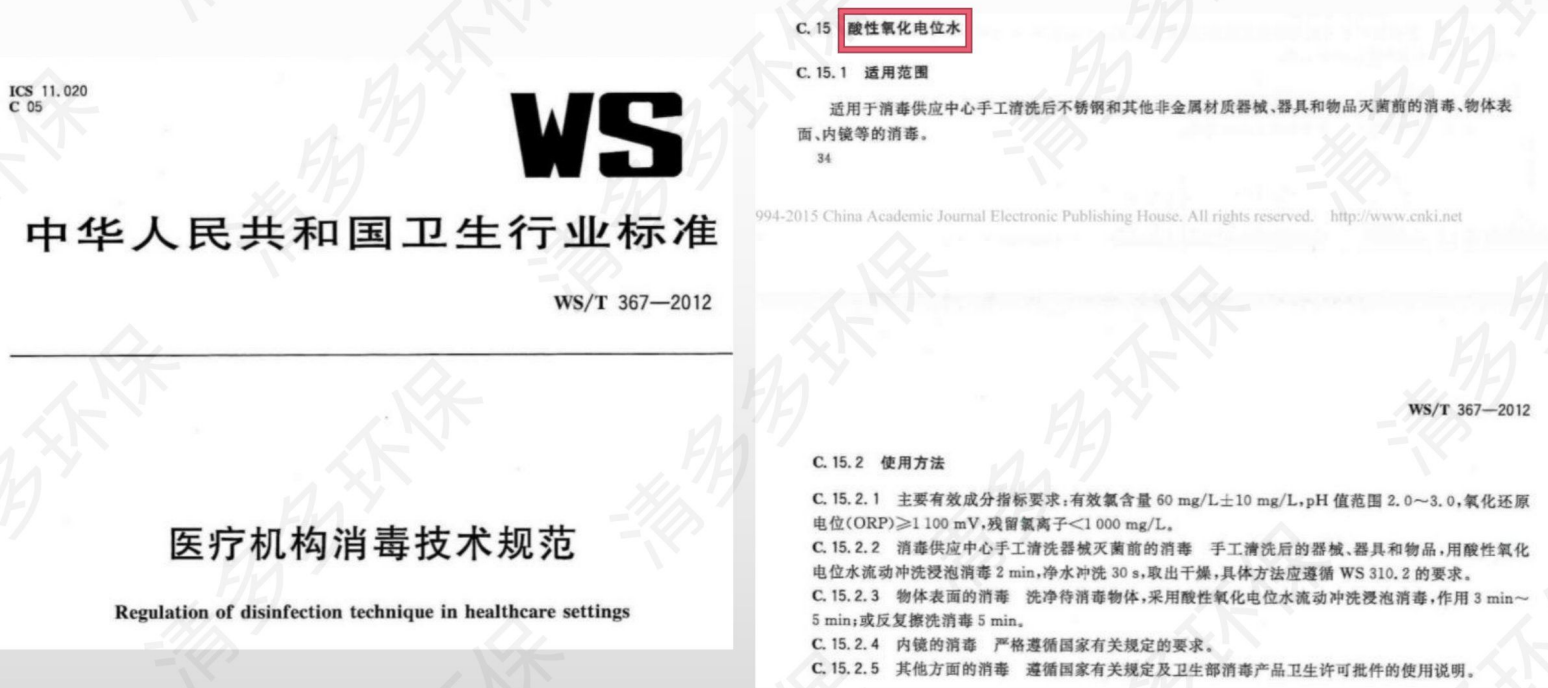
Technical Specification for Disinfection in Healthcare Institutions WST367-2012
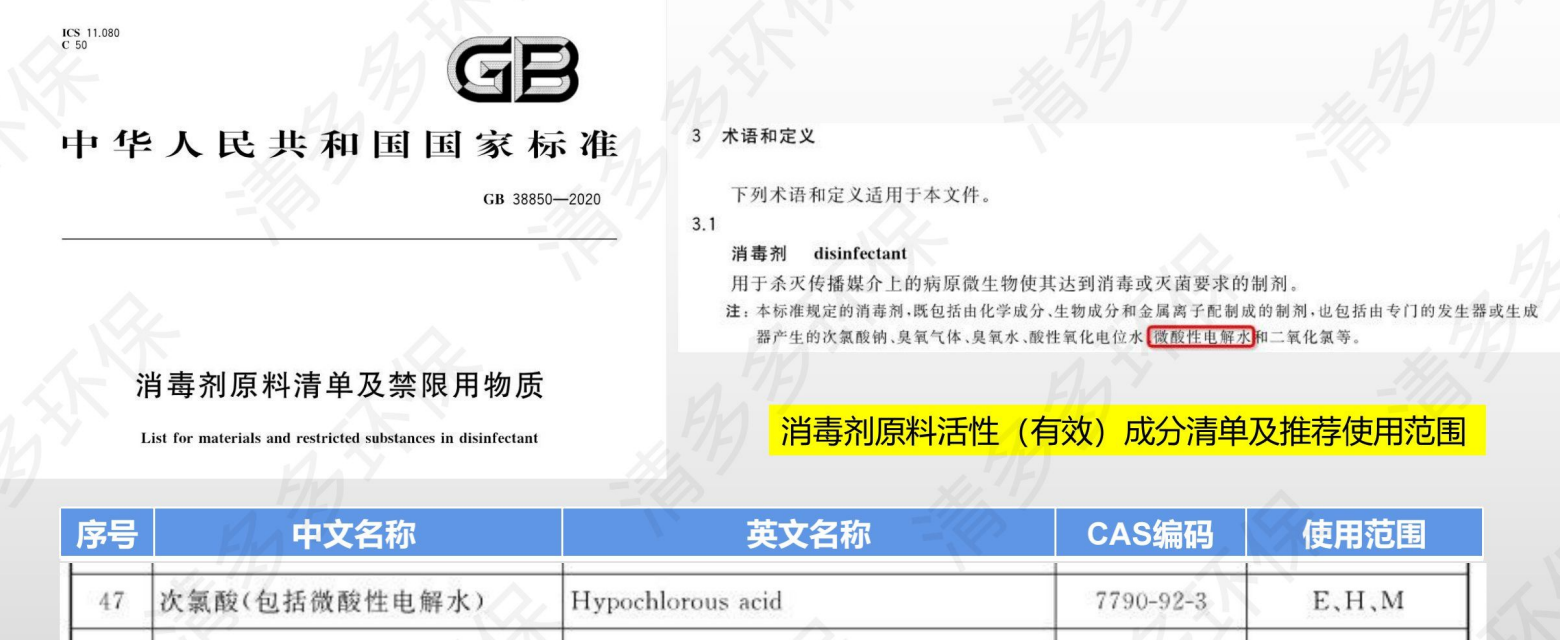
GB 38850-2020 List of raw materials for disinfectants and prohibited substances
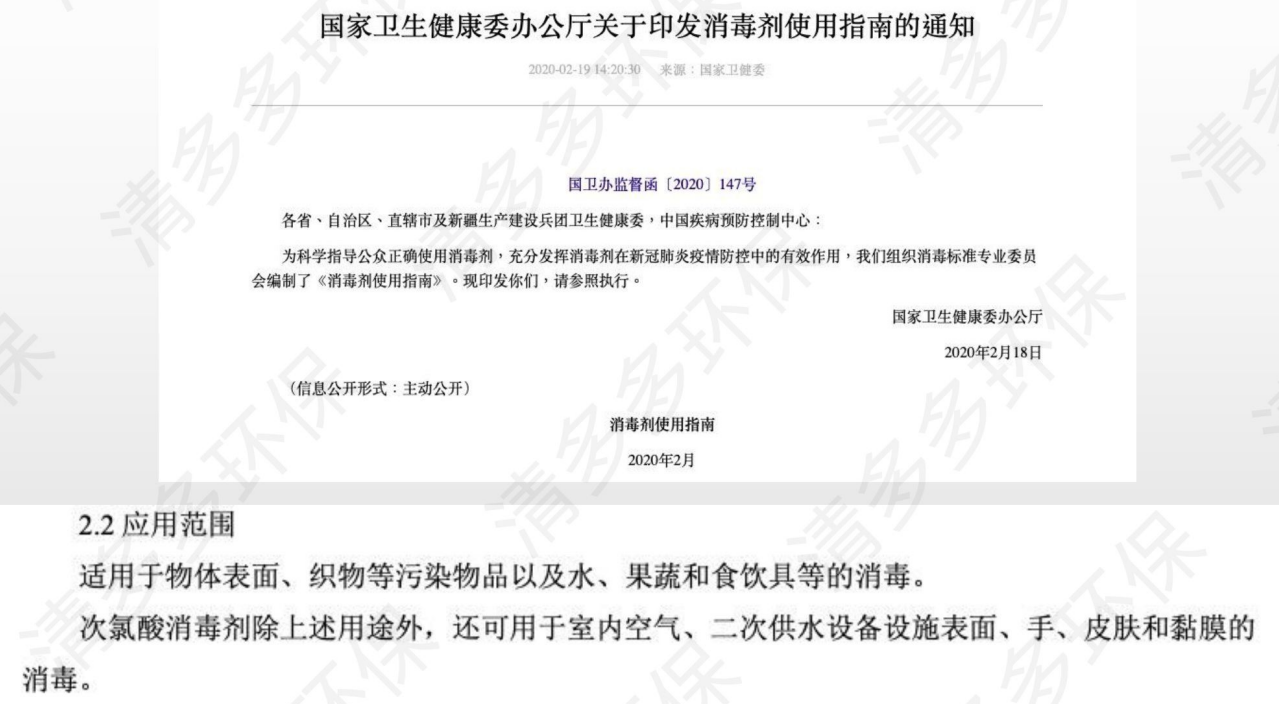
Circular of the General Office of the National Health and Wellness Commission on the Issuance of Guidelines for the Use of Disinfectants
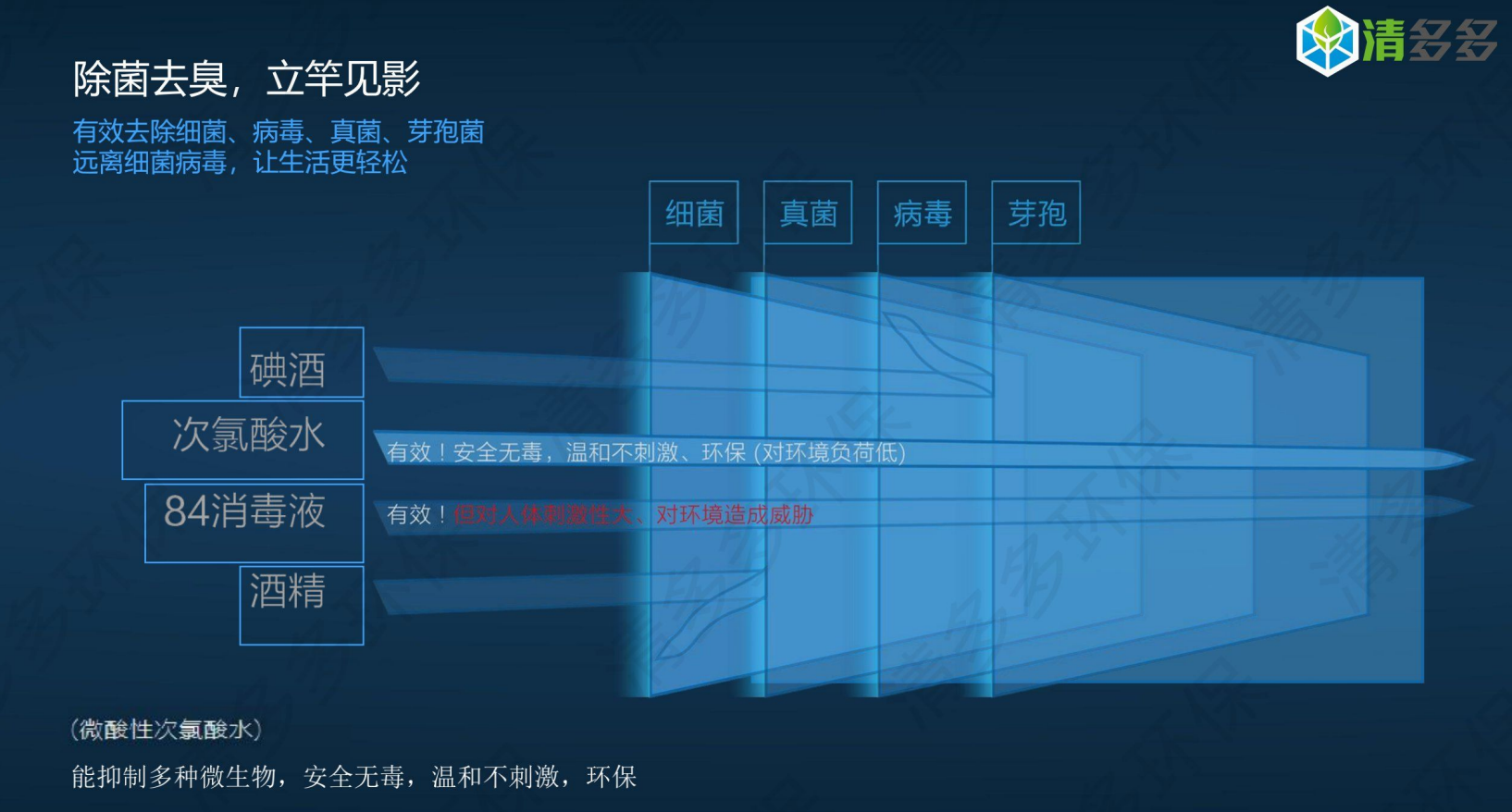
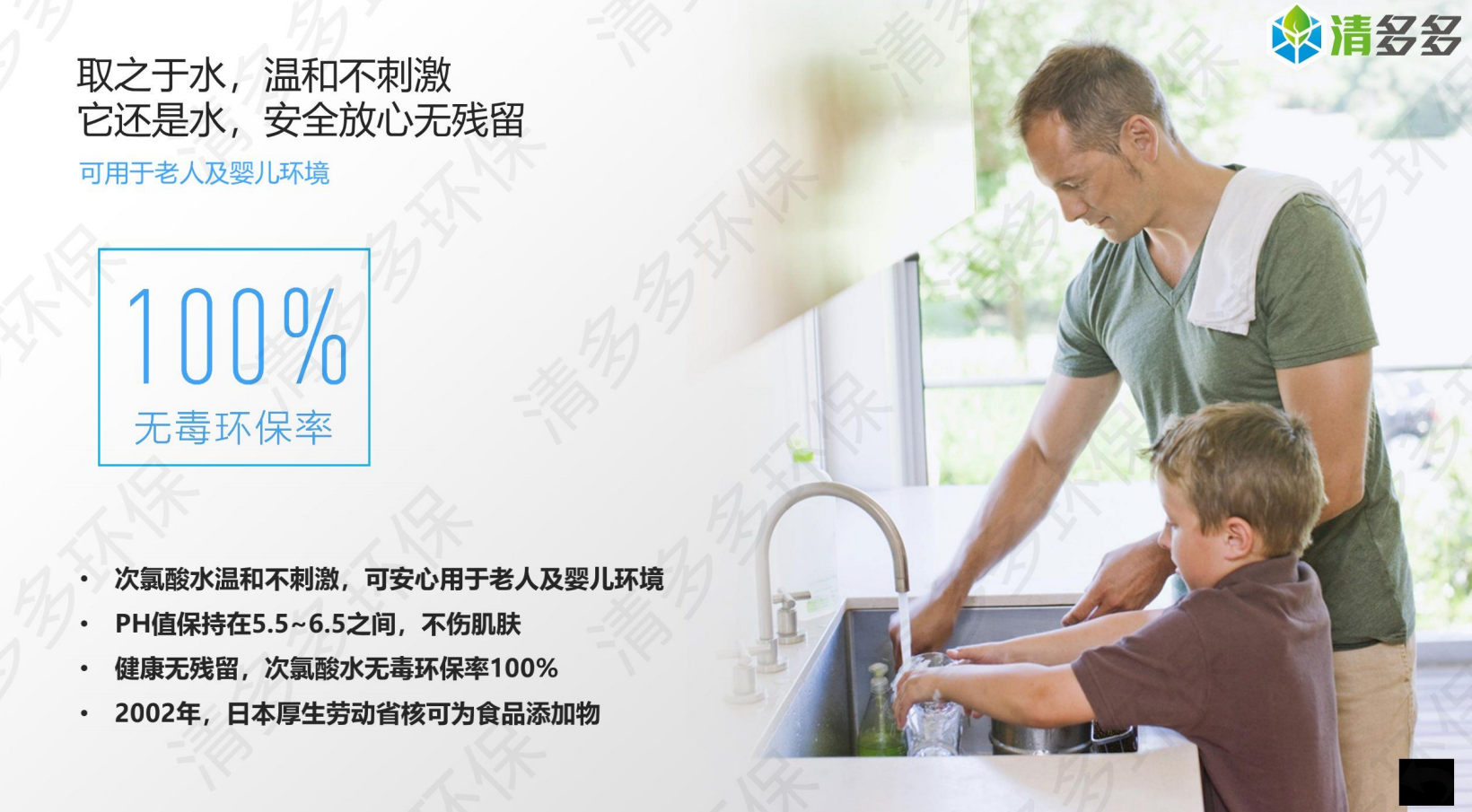
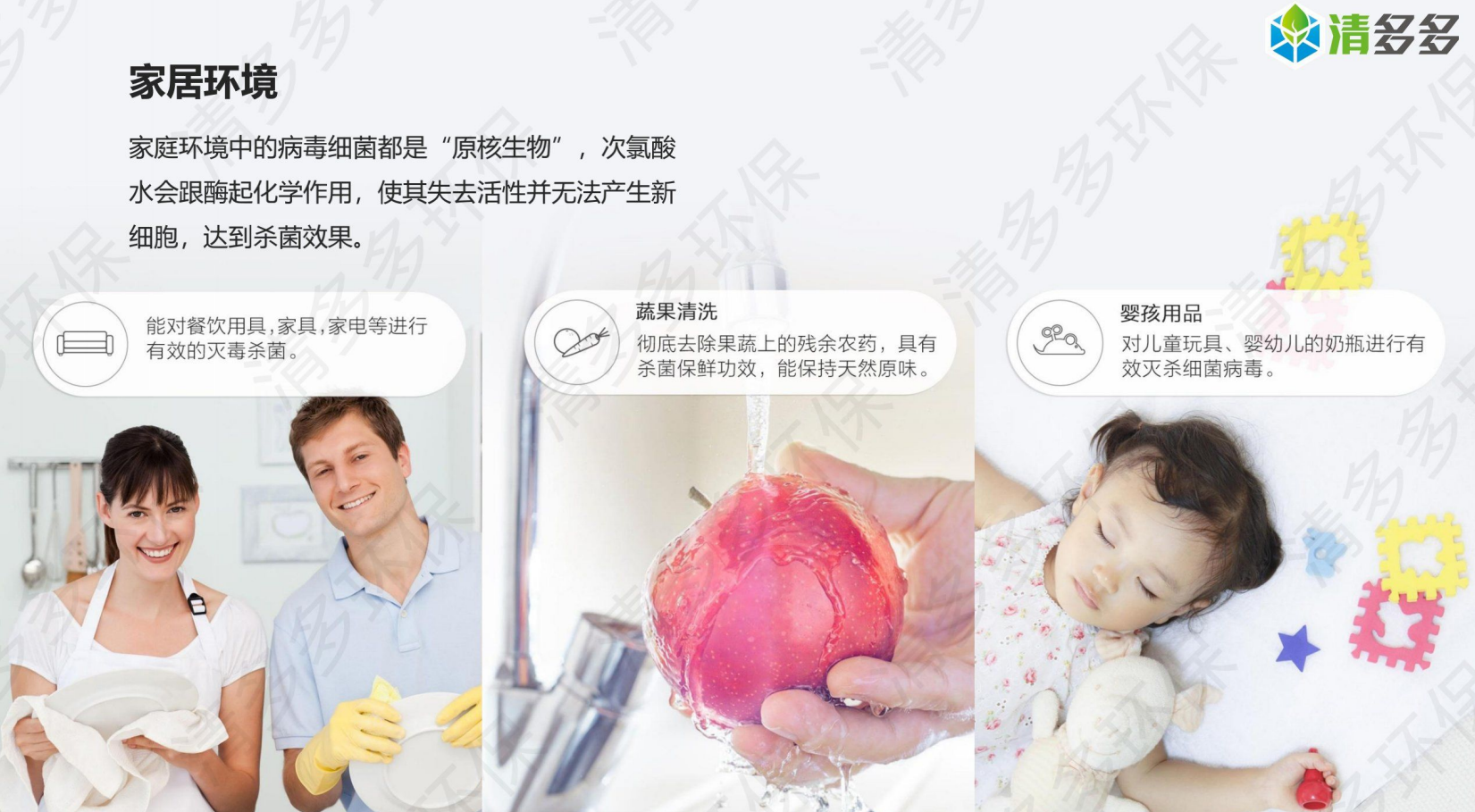
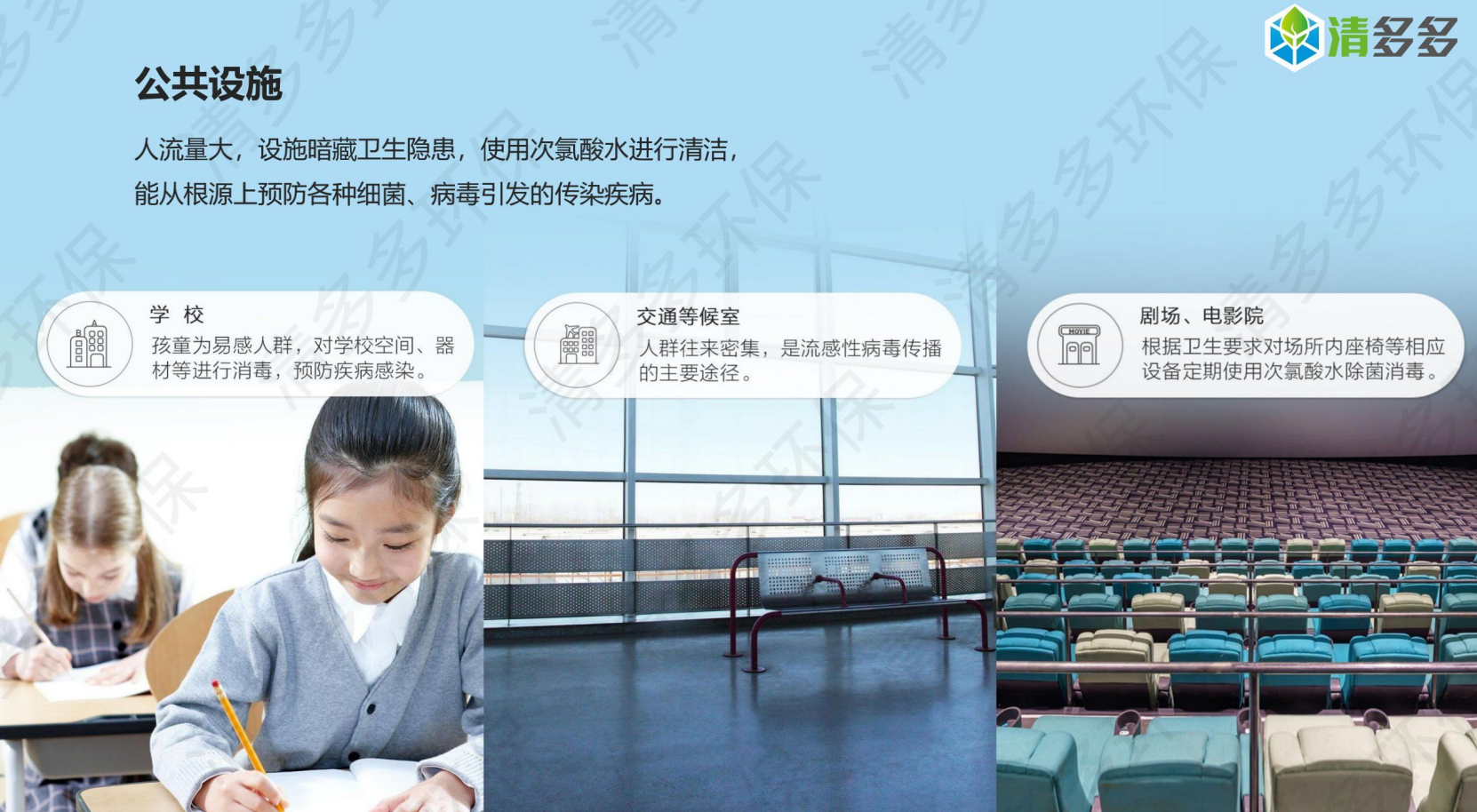
Introduction to hypochlorous acid

preceding page
next page
Related Products


online message
WeChat Contact
Contact Us
Address: Unit 201, Floor 2, No.3, No.7 Xinhui Road, Wusha Community, Daliang Street, Shunde District, Foshan City